
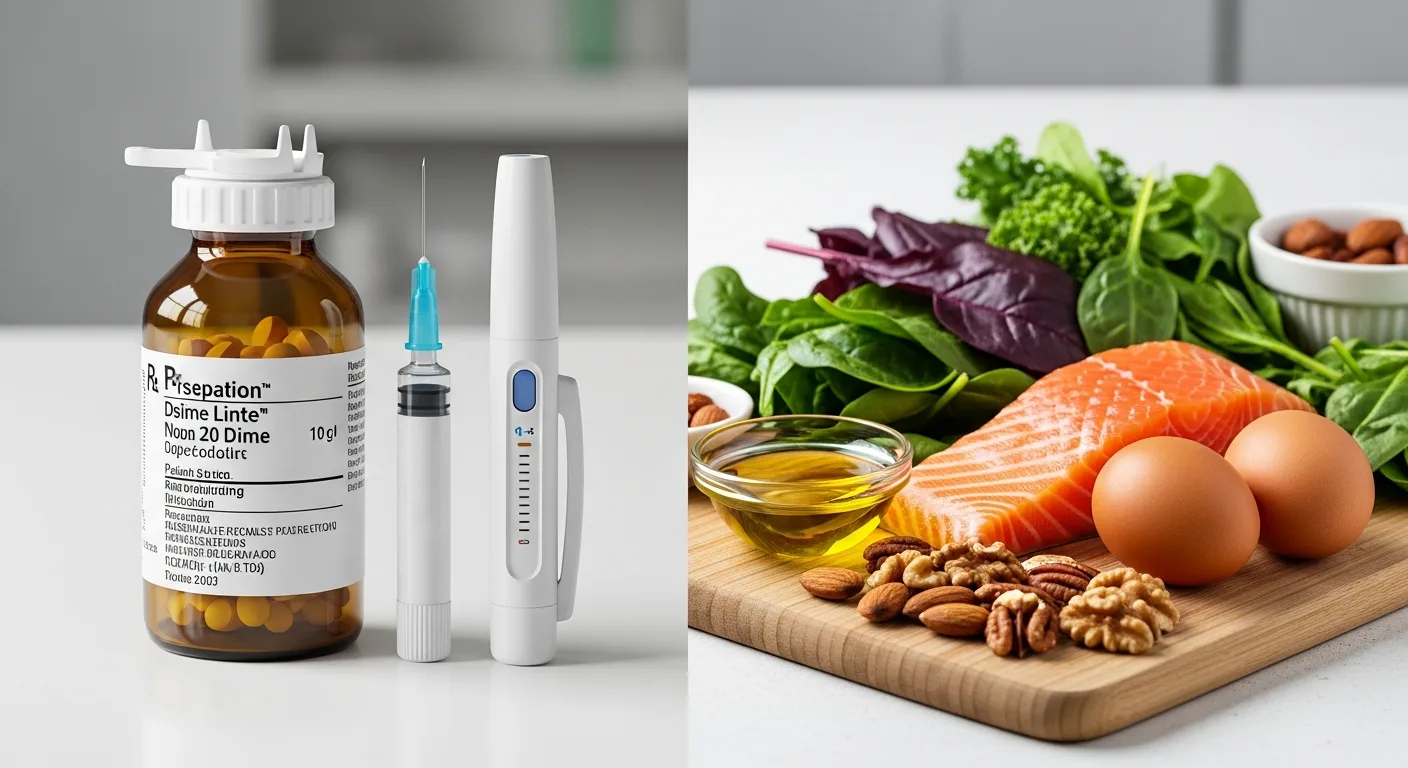
Important Medical Disclaimer
We are not doctors or medical professionals. The information in this article represents our research, personal experience, and opinions based on available studies and clinical data.
Never start, stop, or modify any medication without consulting your healthcare provider. GLP-1 and GIP agonists are prescription medications with potential side effects and contraindications.
This content is for educational purposes only and should not replace professional medical advice, diagnosis, or treatment.
If you’ve been researching weight loss medications, you’ve probably noticed the alphabet soup: GLP-1, GIP, dual agonist, incretin mimetics. It’s confusing, and most articles either oversimplify or dive into biochemistry that requires a PhD to understand.
This article aims to hit the middle ground. You’ll understand what these hormones actually do, why different medications target them, and what the research suggests about which might work better for different goals.
Important caveat upfront: We are not doctors. What follows is our understanding of the published research and our opinions based on that research. Always discuss medication decisions with your healthcare provider who knows your full medical history.
The Two Hormones: GLP-1 and GIP
Let’s start with the basics. Your gut produces several hormones when you eat. Two of the most important for weight and blood sugar are:
GLP-1 (Glucagon-Like Peptide-1)
GLP-1 is released by cells in your small intestine after you eat. It does several things:
Appetite suppression - GLP-1 signals your brain that you’re full. It reduces what researchers call “food noise” - the constant mental chatter about eating.
Slowed gastric emptying - Food stays in your stomach longer, so you feel satisfied with less.
Insulin secretion - GLP-1 tells your pancreas to release insulin, but only when blood sugar is elevated. This is called “glucose-dependent” action and is why these medications rarely cause low blood sugar.
Glucagon suppression - GLP-1 reduces glucagon, the hormone that tells your liver to release stored sugar. Lower glucagon means lower blood sugar levels.
Natural GLP-1 breaks down very quickly in your body (within minutes). The medications we’ll discuss are modified to last much longer.
GIP (Glucose-Dependent Insulinotropic Polypeptide)
GIP is the less famous hormone, but it’s getting more attention. It’s released by different gut cells, and it does some overlapping but also distinct things:
Enhanced insulin secretion - Like GLP-1, GIP stimulates insulin release when blood sugar is high. The two hormones together have a synergistic effect - they enhance each other.
Fat metabolism effects - This is where GIP gets interesting. Research suggests GIP affects how your body stores and releases fat, though the mechanisms are still being studied.
Possible appetite effects - The role of GIP in appetite is more controversial than GLP-1. Some research suggests it enhances satiety; other research is less clear.
Bone health effects - GIP may have positive effects on bone density, though this needs more research.
The Key Difference
GLP-1 primarily works through appetite suppression and blood sugar control.
GIP enhances insulin action and may affect fat metabolism in ways we’re still understanding.
Together, they appear to produce stronger effects than either alone - at least based on clinical trial data so far.
The Medications: What’s Available
Let’s look at the actual medications and what they target.
Pure GLP-1 Agonists
Semaglutide (brand names: Ozempic for diabetes, Wegovy for weight loss)
- Weekly injection
- Targets GLP-1 only
- Average weight loss in clinical trials: around 15% of body weight
- FDA-approved for Type 2 diabetes and chronic weight management
Liraglutide (brand names: Victoza for diabetes, Saxenda for weight loss)
- Daily injection
- Targets GLP-1 only
- Average weight loss: around 8% of body weight
- Less convenient due to daily dosing
Dulaglutide (brand name: Trulicity)
- Weekly injection
- Targets GLP-1 only
- Primarily used for diabetes
- Modest weight loss effects
Dual GIP/GLP-1 Agonists
Tirzepatide (brand names: Mounjaro for diabetes, Zepbound for weight loss)
- Weekly injection
- Targets BOTH GIP and GLP-1
- Average weight loss in clinical trials: up to 22.5% of body weight
- FDA-approved for Type 2 diabetes and chronic weight management
Tirzepatide is currently the only dual agonist on the market, which makes it significant. Several other dual and even triple agonists are in development.
Why Tirzepatide May Be More Effective
Based on clinical trial data, tirzepatide produces greater weight loss than semaglutide. The SURMOUNT trials showed average weight loss of:
- 5mg dose: About 15% body weight
- 10mg dose: About 20% body weight
- 15mg dose: About 22.5% body weight
Compare this to semaglutide’s STEP trials showing around 15% weight loss at the maximum dose.
The dual GIP/GLP-1 action may explain this difference, though research is ongoing to understand exactly why.
Our opinion: If maximum weight loss is your primary goal and cost isn’t prohibitive, tirzepatide appears to have an edge based on current evidence. However, individual responses vary significantly.
Matching Medications to Goals
Based on our review of the research (remember: not medical advice), here’s how we think about matching these medications to different goals.
Goal: Maximum Weight Loss
Our opinion based on research:
Tirzepatide (Zepbound) appears to produce the greatest weight loss in clinical trials. The 22.5% average weight loss at the highest dose is remarkably high for any pharmaceutical intervention.
Considerations:
- Higher doses have more GI side effects
- Individual response varies - some people lose more on semaglutide
- Cost may be a factor (both are expensive without insurance)
- Long-term data is still accumulating
What the research shows:
- SURMOUNT-1 trial: tirzepatide at 15mg dose showed 22.5% weight loss vs placebo (Jastreboff et al., NEJM 2022)
- STEP 1 trial: semaglutide at 2.4mg showed 14.9% weight loss vs placebo (Wilding et al., NEJM 2021)
Goal: Type 2 Diabetes Management (A1C Control)
Our opinion based on research:
Both medication classes are highly effective for A1C reduction. Tirzepatide may have an edge, but the difference may not be clinically meaningful for all patients.
What the research shows:
- SURPASS trials showed tirzepatide reduced A1C by 2.0-2.3% on average
- SUSTAIN trials showed semaglutide reduced A1C by about 1.5-1.8%
Key consideration: If you have Type 2 diabetes, these medications are treating your disease - not just managing weight. Your doctor should consider your full diabetes picture, including other medications, kidney function, and cardiovascular risk.
Goal: Weight Maintenance After Loss
Our opinion based on research:
This is where things get complicated. Both medication classes appear to require ongoing use to maintain weight loss. Studies show significant weight regain when medications are stopped.
For maintenance specifically:
- Lower doses may be sufficient once goal weight is reached
- Combining with dietary approaches (like keto) may improve sustainability
- The goal is eventually finding the minimum effective intervention
This is why we advocate for keto as a potential exit strategy - see our exit strategy article for our approach.
Goal: Appetite Control (“Food Noise” Reduction)
Our opinion based on research:
Both GLP-1 and dual agonists effectively reduce appetite and food preoccupation. Anecdotally, many users report the “food noise” reduction is life-changing.
Considerations:
- Effect strength may vary by individual
- Some people respond better to one medication vs another
- This effect diminishes when medications are stopped
The Side Effect Picture
Both medication classes share similar GI side effects, but there are some differences worth noting.
Common Side Effects (Both Classes)
- Nausea (most common, often improves over time)
- Constipation or diarrhea
- Bloating and feeling overly full
- Reduced appetite (intended effect, but can be too extreme)
- Fatigue during adjustment period
Tirzepatide-Specific Observations
Some users report tirzepatide side effects as more intense initially but improving faster. The GIP component may affect how the medication is tolerated.
Our observation: The research doesn’t clearly show one class as “easier to tolerate” than the other. Individual variation is significant.
The Muscle Loss Concern
This applies to both medication classes and is important to understand.
When you lose weight rapidly through calorie reduction alone (which these medications essentially cause), 30-40% of weight lost can be lean muscle mass rather than fat. This:
- Reduces your metabolic rate
- Weakens physical function
- May contribute to weight regain when stopping medication
Our strong opinion: Regardless of which medication you take, prioritizing protein intake (1.2-1.6g per kg body weight) and resistance training is non-negotiable. See our protocol article for specific recommendations.
Muscle Preservation Is Critical
Both GLP-1 and dual agonists reduce appetite significantly. This is a feature, but it creates a risk: if you eat less overall, you may eat less protein.
You must intentionally prioritize protein even when you don’t feel hungry. This is not optional if you want to preserve muscle and maintain results long-term.
We consider this the single biggest mistake people make on these medications.
Cost Comparison
Let’s be direct about costs (as of early 2025, without insurance):
| Medication | Brand | Monthly Cost (est.) | Annual Cost |
|---|---|---|---|
| Semaglutide | Ozempic/Wegovy | $900-$1,100 | $11,000-$13,000 |
| Tirzepatide | Mounjaro/Zepbound | $1,000-$1,100 | $12,000-$13,000 |
Insurance coverage varies wildly. Some plans cover weight loss formulations; many don’t. Diabetes formulations are more commonly covered but require a diabetes diagnosis.
Manufacturer coupons can reduce costs significantly for those who qualify, but programs change frequently.
Our opinion: Cost is a legitimate factor in medication decisions. If tirzepatide and semaglutide cost similar amounts, the potentially greater efficacy of tirzepatide might favor it. But if insurance covers one and not the other, the covered option may be the practical choice.
What We Still Don’t Know
Honest discussion requires acknowledging uncertainty. Here’s what research hasn’t answered yet:
Long-term outcomes (10+ years): These medications are relatively new. We don’t have decade-long data on cardiovascular outcomes, cancer risk, or other long-term effects.
Optimal treatment duration: We don’t know the best approach for how long to take these medications. Lifelong? Until goal weight, then stop? Maintenance doses?
GIP-specific mechanisms: We’re still learning exactly how GIP contributes to weight loss and whether it has effects we don’t yet understand.
Individual response prediction: We can’t predict who will respond well to which medication before trying.
Optimal combination with diet: The best way to combine these medications with specific dietary approaches (like keto) isn’t established in research.
Our Bottom Line Opinions
Based on our review of current research, here are our opinions (remember: we’re not doctors):
-
For pure weight loss goals: Tirzepatide appears more effective than semaglutide based on clinical trial data. If cost and access are equal, we’d lean toward tirzepatide.
-
For Type 2 diabetes: Both classes are highly effective. Work with your endocrinologist to choose based on your full health picture.
-
For muscle preservation: Regardless of which medication, high protein intake and resistance training are non-negotiable.
-
For sustainability: Consider these medications as tools, not permanent solutions. Build eating habits (potentially including keto) that can support you when/if you reduce or stop medication.
-
For cost-conscious approaches: Trying keto first, before medication, is a reasonable approach if you don’t have urgent health concerns requiring immediate pharmaceutical intervention.
References and Further Reading
The following studies informed our understanding. We encourage you to discuss these with your healthcare provider:
-
Jastreboff AM, et al. “Tirzepatide Once Weekly for the Treatment of Obesity.” N Engl J Med. 2022;387:205-216. (SURMOUNT-1 trial)
-
Wilding JPH, et al. “Once-Weekly Semaglutide in Adults with Overweight or Obesity.” N Engl J Med. 2021;384:989-1002. (STEP 1 trial)
-
Frías JP, et al. “Tirzepatide versus Semaglutide Once Weekly in Patients with Type 2 Diabetes.” N Engl J Med. 2021;385:503-515. (SURPASS-2 trial)
-
Rubino DM, et al. “Effect of Continued Weekly Subcutaneous Semaglutide vs Placebo on Weight Loss Maintenance.” JAMA. 2021;325(14):1414-1425.
-
Campbell JE, Drucker DJ. “Pharmacology, Physiology, and Mechanisms of Incretin Hormone Action.” Cell Metab. 2013;17(6):819-837.
GLP-1 + Keto Series
This article is part of our comprehensive series on combining incretin medications with the ketogenic diet:
- How Incretin Hormones Control Hunger
- The Science of Medication-Assisted Weight Loss
- GLP-1 and Keto: Can They Work Together?
- Keto First or GLP-1 First? A Decision Framework
- The Tradeoffs: What You Gain and Lose
- Combining GLP-1 and Keto: A Practical Protocol
- Using Keto as Your GLP-1 Exit Strategy
- 30-Day GLP-1 + Keto Quick Start
- GLP-1 vs GIP: Understanding the Science (You are here)